Map the moisture
Moisture meters and thermal cameras find every wet pocket in framing, subfloor, and wall cavities you cannot see.
Removing standing water is only half the job. We connect you with pros who dry framing, subfloor, and walls to a documented standard, so moisture does not come back as mold.
Structural drying is the process of removing moisture that has soaked into a building's framing, drywall, subfloor, and flooring after standing water is extracted. Network pros use commercial air movers and LGR dehumidifiers, tracking daily moisture readings until the structure reaches IICRC S500 dry standards. Skipping this step is the most common reason mold shows up weeks after a "dried" loss. Call (512) 675-8599 to get drying started.
Austin's summer heat can dry a visible puddle on tile in an afternoon, which tricks a lot of homeowners into thinking the job is done. But water that reached carpet pad, subfloor, or wall cavities does not evaporate that fast, especially in enclosed spaces with little airflow.
Left alone, trapped moisture in a Central Texas home typically leads to:
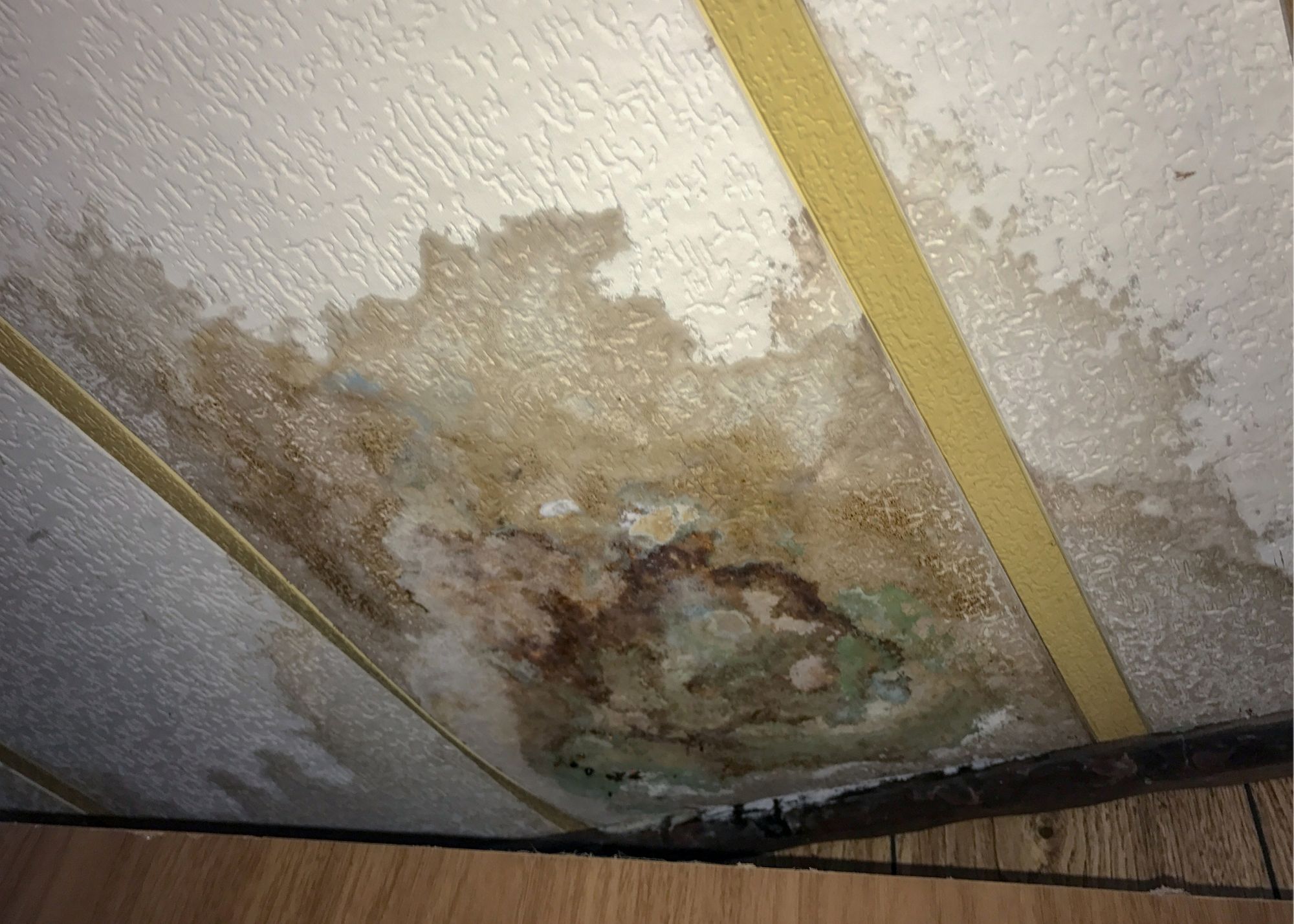
Real structural drying means measuring, not assuming. Here is how network pros approach it.
Moisture meters and thermal cameras find every wet pocket in framing, subfloor, and wall cavities you cannot see.
Air movers create airflow across wet surfaces while LGR dehumidifiers pull moisture out of the air itself.
Moisture logs confirm progress each day, so equipment stays until the structure is verifiably dry, not just dry-looking.
Talk to a real restoration pro in under a minute. Documented drying to IICRC standards, and we bill your insurance directly — no obligation to move forward.
Call (512) 675-8599 NowLive answer, 24/7 · Austin & the surrounding Hill Country
Different materials dry differently. There is a focused service for each one.
Network crews cover all of Austin, from downtown to the outer suburbs.
Most Austin homes dry in three to five days with commercial air movers and dehumidifiers, though heavy losses or dense materials like hardwood and plaster can take longer. Crews take daily moisture readings and only pull equipment once the structure hits a documented dry standard. See our drying timeline guide for more detail.
Drying alone typically runs about $3 to $5 per square foot on top of extraction costs, depending on how many rooms are affected and the materials involved. This is a general range, not a quote; most homeowners pay only their deductible since the network bills insurance directly.
Crews use moisture meters on drywall, subfloor, and framing, and compare readings to unaffected areas of your home as a baseline. A room can look and feel dry to the touch while framing or subfloor underneath is still holding moisture, which is why documented readings matter more than a visual check.
Often, yes, if drying starts within 24 to 48 hours. Carpet and pad can sometimes be dried in place; hardwood can sometimes be saved with careful, slow drying to avoid cupping. The longer water sits, the lower the odds of saving either.
No. Household fans move air but do not remove humidity from it, so they can actually slow drying by keeping moist air circulating. Commercial dehumidifiers pull the moisture out of the air itself, which is what actually dries a structure.
We answer live 24/7, connect you with a pro who shows up the same day, and bill your insurance directly.
Call (512) 675-8599